The best time to visit Turks and Caicos
The short answer is January through April, when the islands are at their driest and calmest. The longer answer is more interesting: two quieter windows offer the same water and far more room, and knowing them is the difference between a good trip and a great one.
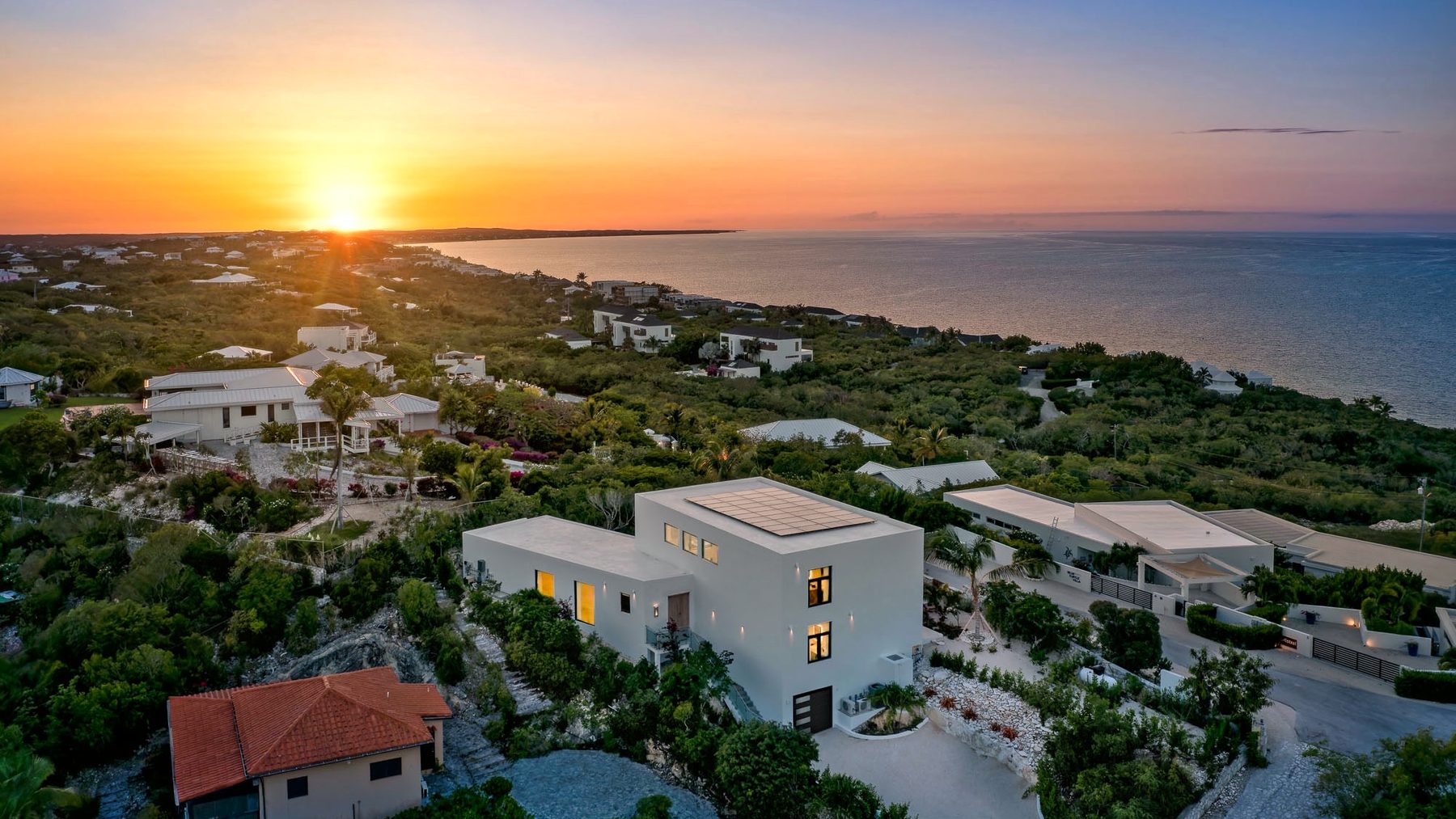
We spent two years living on the North Shore of Providenciales before opening our home to guests, which means this guide is written from the ground rather than a brochure. What follows is the honest version: what each stretch of the year actually feels like, what you will pay for it, and how to match the timing to the trip you have in mind.
Turks and Caicos by month, at a glance
| Month | Avg high | Water | Rain | Feel |
|---|---|---|---|---|
| January | 81°F | 78°F | Low | Peak. Crisp, dry, busy |
| February | 81°F | 78°F | Lowest | Peak. The most-booked month |
| March | 82°F | 78°F | Low | Peak. Spring-break energy |
| April | 83°F | 79°F | Low | Peak easing, crowds thinning |
| May | 85°F | 81°F | Low–med | The first value window opens |
| June | 87°F | 83°F | Medium | Warm, quiet, excellent value |
| July | 88°F | 84°F | Medium | Hot and calm, strong deals |
| August | 89°F | 85°F | Med–high | Warmest water of the year |
| September | 89°F | 86°F | High | The quietest weeks |
| October | 87°F | 85°F | High | Warm, green, low rates |
| November | 84°F | 82°F | Low–med | The second value window |
| December | 82°F | 80°F | Low | Peak returns, holidays fill fast |
Every figure above is a typical average; any given week can run warmer or cooler. What the table shows is the shape of the year, and that shape is gentler than most first-time visitors expect. Providenciales sees roughly 350 days of sunshine, and even the wetter months tend toward a brief afternoon shower that clears as quickly as it arrives.
Peak season: January to April
This is the postcard window. Daytime highs sit in the low 80s, humidity is at its lowest, and the water clarity on the reef is at its best of the year, often 80 to 100 feet of visibility on a calm morning. If you have never been to the islands, or you are marking an occasion where the weather simply has to cooperate, this is the stretch to choose.
February is the single busiest month, with much of the island's villa inventory committed well before the new year. For peak-season dates, booking four to six months ahead is not cautious, it is standard.
What you will pay: peak rates run meaningfully higher than the quieter months, and the last two weeks of December carry the highest rates of the year with a minimum stay. If your dates are fixed to a school break or a holiday, plan and reserve early.
Best for: first-time visitors, honeymoons and milestone celebrations, and families from colder climates chasing warm weather.
A North Shore note: the humpback whale migration runs January through April, when thousands of whales pass through the Turks Island Passage. From the higher ground above Turtle Cove you occasionally catch spouts offshore, and boat trips from Grand Turk make sightings close to reliable in February and March. Most visitors never know it is happening.
The value windows: May and November
If you have flexibility, these two shoulder months are where the island rewards you. The water is warmer than in January, the beaches are quieter, and rates step down from peak while the weather stays genuinely excellent.
May lands just after the peak-season crowds leave. Water temperatures have climbed to around 81°F, warmer and more comfortable for long swims than the winter months, and the reef is still holding its dry-season clarity. Restaurants are easier, beaches are emptier, and villa rates soften.
November is the quiet favorite. Humidity has come down from its late-summer high, the water is still warm from months of sun, and the holiday rush has not yet begun. For a couple or a small group who value space over buzz, it is hard to beat.
Best for: returning visitors, couples, and anyone who can travel outside school schedules and wants the island at its most private.
The quiet season: June to October
These are the warmest, greenest, and least expensive months, and for the right traveler they are a genuine secret. Water temperatures peak here, reaching the mid-80s by late summer, warm enough that the sea feels less like swimming and more like stepping into a bath. The reef is still vivid, visibility still runs well above what most destinations offer, and the island moves at its slowest, most local pace.
The rates are the lowest of the year, often well below peak, which puts a private villa within reach at a price point the winter months simply do not offer. Mornings are for the water before the heat builds; afternoons are for the shade and the pool.
Best for: families with school-age kids on summer break who can settle in for a longer stay, value-minded travelers, and anyone who loves real Caribbean warmth.
Choosing your window
Choose January to April if you want the driest, calmest weather, you are celebrating something, or it is your first visit.
Choose May or November if you can travel off-schedule and want the same water with more room and better rates.
Choose June to October if you want the warmest sea, the quietest island, and the lowest prices of the year.
Find your dates at Beachwood
A 4-bedroom villa on the North Shore, five minutes from Babalua Beach. Tell us when you are thinking of coming and we will confirm availability.
Check AvailabilityFrequently asked questions
What is the best month to visit Turks and Caicos?
February and March offer the driest weather and best reef clarity, and they are also the busiest and most expensive. For the best balance of great conditions and value, November is the strongest single month.
When is the water warmest?
Late summer into early autumn. Sea temperatures climb through the 80s from June and peak in the mid-80s around September, the warmest of the year.
When should I book a villa for peak season?
For January and February travel, four to six months ahead is standard. The last two weeks of December are typically committed by late summer. For the shoulder and quiet months, six to eight weeks is usually enough.
Is it worth visiting in summer?
Yes, and it's one of our favorite times on the island, with the right expectations. The beaches and water are at their warmest, the island is quieter but still lively, and a private villa becomes far more affordable. The trade-off is heat and humidity, so it suits travelers who welcome real Caribbean warmth.
Planning further? Read our comparison of Grace Bay and the North Shore, or see the 4-bedroom villa itself.